
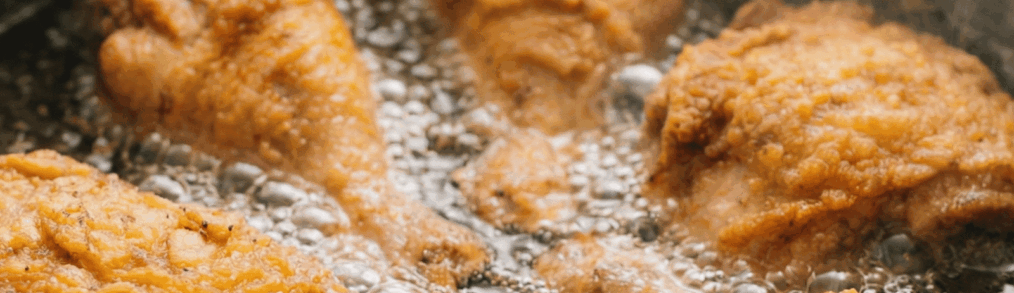
3 Ways to Increase Fried Chicken Output Without Sacrificing Quality

When demand for fried chicken spikes, kitchens feel it immediately. Orders pile up, cook times stretch, and teams face a familiar tension between speed and consistency. Output becomes the constraint that limits growth, stresses staff, and compromises quality. Increasing fried chicken production volume does not mean cutting corners. With the right equipment strategies and tighter process control, operators can move more product through the fry station without compromising results.
How Output Breaks Down When Making Fried Chicken
Fried chicken operations place constant pressure on frying systems. Heavy breading, longer cook cycles, oil degradation, and recovery delays compound during peak hours. Even small inefficiencies slow production and disrupt flow.
Most problems stem from the same issue: equipment and processes that cannot keep pace with real-world volumes. Addressing those gaps allows kitchens to produce consistently, even under sustained demand.
3 Ways to Increase Fried Chicken Output
1. Increase Capacity to Eliminate Fryer Bottlenecks
Fryer capacity and recovery time directly shape how much chicken a kitchen can produce per hour. Undersized or underpowered fryers lose temperature when baskets drop, forcing operators to space out loads and extend cook windows.
Higher-capacity commercial frying systems maintain oil temperature under heavy loads. Faster recovery allows teams to run back-to-back batches without waiting for heat to rebound. That steadier rhythm increases output while preserving texture, color, and doneness.
This approach does not require oversizing equipment. It requires aligning fryer performance with actual demand, ensuring production remains steady during peak periods.
2. Standardize Cooking With Smart Controls and Automation
Inconsistent cooking slows output more than most operators expect. Manual timing, visual checks, and individual judgment introduce variation that leads to re-drops, longer cooks, and uneven results.
Fryers with programmable controls and automated cook cycles remove guesswork from the process. These systems guide staff through each cook, lock in correct timing, and reduce reliance on experience during rushes. As a result, kitchens spend less time correcting errors and more time producing usable product.
Consistency reduces friction. When every batch follows the same process, production efficiency naturally improves.
3. Protect Oil Quality to Keep Cooking Fast and Predictable
Oil condition affects far more than flavor. As oil degrades, heat transfer slows down, recovery time increases, and cooking cycles become less reliable; poor oil quality forces kitchens to slow production or accept inconsistent results.
Regular filtration removes sediment that accelerates breakdown and helps oil recover temperature faster between loads. Fryers with built-in filtration make it easier to maintain oil without disrupting service, keeping production moving during long shifts.
Strong oil management supports output by maintaining stable cook times and consistent food quality, even as volume increases.
Fried chicken restaurants increase prouction most reliably by removing friction at the fryer. Right-sized capacity, consistent cook controls, and disciplined oil management help kitchens move more product per hour without rushing staff or sacrificing quality.
Evaluating Pressure Frying as a Production Option
Some fried chicken concepts also evaluate pressure frying as a way to increase output. Pressure fryers cook chicken faster while sealing in moisture, which can shorten cook cycles and increase yield. Shorter cooking times allow for more batches per hour, while juicier results help maintain quality at higher volumes.
Pressure frying does not fit every operation. It requires specific equipment, procedures, and menu alignment. For operators focused on speed and moisture retention, however, it remains an option worth considering alongside traditional open frying.
Volume Gains Start With Smarter System Choices
Increasing fried chicken output depends on how well fryer capacity, recovery performance, cook controls, and oil management work together. When those elements align, kitchens operate more efficiently without rushing staff or compromising quality.
For operators, the goal is not to chase a single solution. It is to understand how different system choices affect speed, consistency, and labor so the operation can scale without breaking its standards.
