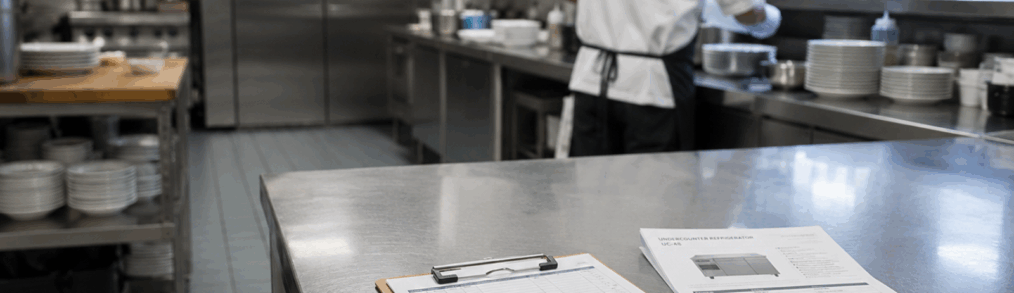
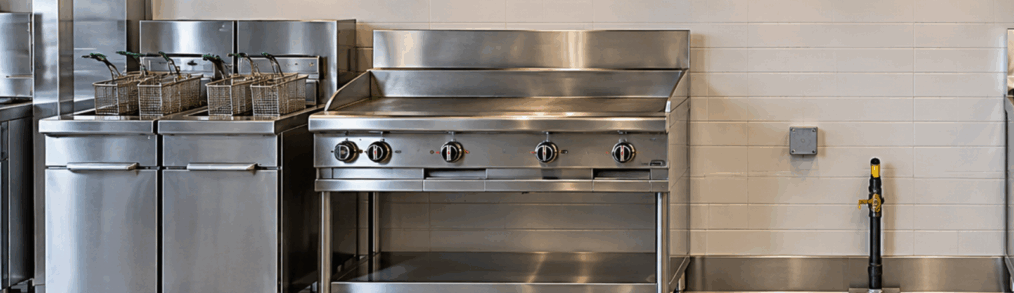
Energy is one of the largest controllable costs in a commercial kitchen, and most operators underestimate how much of the monthly utility bill traces back to equipment and design decisions made years earlier. The fryer running all day, the walk-in compressor cycling through a poorly insulated panel, the exhaust hood pulling conditioned air out of […]
Read More ›In commercial kitchens, the most economical equipment can often turn out to be the most expensive. Maybe the fryer with the lowest price tag looked great 18 months ago, but when it cannot recover during a peak Friday rush, it becomes a liability. The next basket drops into oil 20 degrees too cold, the line […]
Read More ›A structured dealer process brings clarity to costs, control to timelines, and alignment across every phase of a commercial kitchen project. Operators who understand how that relationship works before the first meeting avoid the delays, change orders, and budget drift that derail builds later. New construction and renovation projects involve more coordination than most operators […]
Read More ›Every successful foodservice build follows a structured path. The commercial kitchen project process connects discovery, design, budgeting, procurement, fabrication, installation, and commissioning so the kitchen runs efficiently, supports consistent service, and generates stronger long-term return on investment. Why Kitchen Projects Often Lose Momentum Building a commercial kitchen requires more than selecting equipment. Consultants, designers, contractors, […]
Read More ›Fried chicken kitchens do not struggle because of demand. They struggle when the equipment cannot support production during peak periods. When cook times stretch, oil recovery slows, or batches back up, the fryer becomes the limiting point on the line. Choosing between a pressure fryer and an open fryer is about operational fit. Each system […]
Read More ›When demand for fried chicken spikes, kitchens feel it immediately. Orders pile up, cook times stretch, and teams face a familiar tension between speed and consistency. Output becomes the constraint that limits growth, stresses staff, and compromises quality. Increasing fried chicken production volume does not mean cutting corners. With the right equipment strategies and tighter […]
Read More ›The walk-in cooler alarm goes off at 2 a.m. A combi oven throws an error code mid-rush. The fryer oil hasn’t been changed in a week because nobody remembered. These aren’t isolated incidents. It can often be the standard Saturday night. For operators juggling labor instability, rising costs, and food safety pressure, making the right […]
Read More ›Peak hours expose everything that usually stays hidden. A commercial kitchen serving fried chicken can feel under control during slower periods, but it can unravel quickly once the lunch or dinner rush hits. Orders stack up, ticket times stretch, quality starts to wobble, and the kitchen shifts from controlled to chaotic in a matter of […]
Read More ›Stainless steel delivers the structural strength and resilience busy kitchens rely on. It resists corrosion, heat, and daily wear in ways that coated or composite materials rarely match. Worktables, sinks, shelving, and custom assemblies made from stainless steel maintain their integrity even when exposed to cleaning chemicals, hot pans, and constant impact. For operators in […]
Read More ›When the holiday rush hits, a kitchen’s true capacity shows. Orders pile up, prep stations overflow, and every piece of equipment faces nonstop demand. For foodservice operators, this is more than a busy stretch. It is the season that tests efficiency, consistency, and reliability. The right high-volume commercial equipment can determine whether the operation runs […]
Read More ›